Good Copy vs Bad Copy
I’ve been inviting people to give up the internet for 30 days.
The first version of our website was terrible. I knew it sucked, but couldn’t articulate what would make it better.
I’d ask ChatGPT to help me fix it, but it would say “this is good, tweak this minor thing, and it will be great.”
For the second version, I gathered:
- Meeting notes from our ceremony
- Feedback from participants
- The voice notes I’d been collecting
- Emails we sent throughout the program
Then I created reference files Claude could use when providing advice: copywriting guides, books about branding, websites I admired.
Results:
- Conversion rates went up 5x
- Signup abandonment went from 70% to 10%
- Participants were 4x more likely to complete the program
Before (v1): dull, no context about what you’re signing up for.
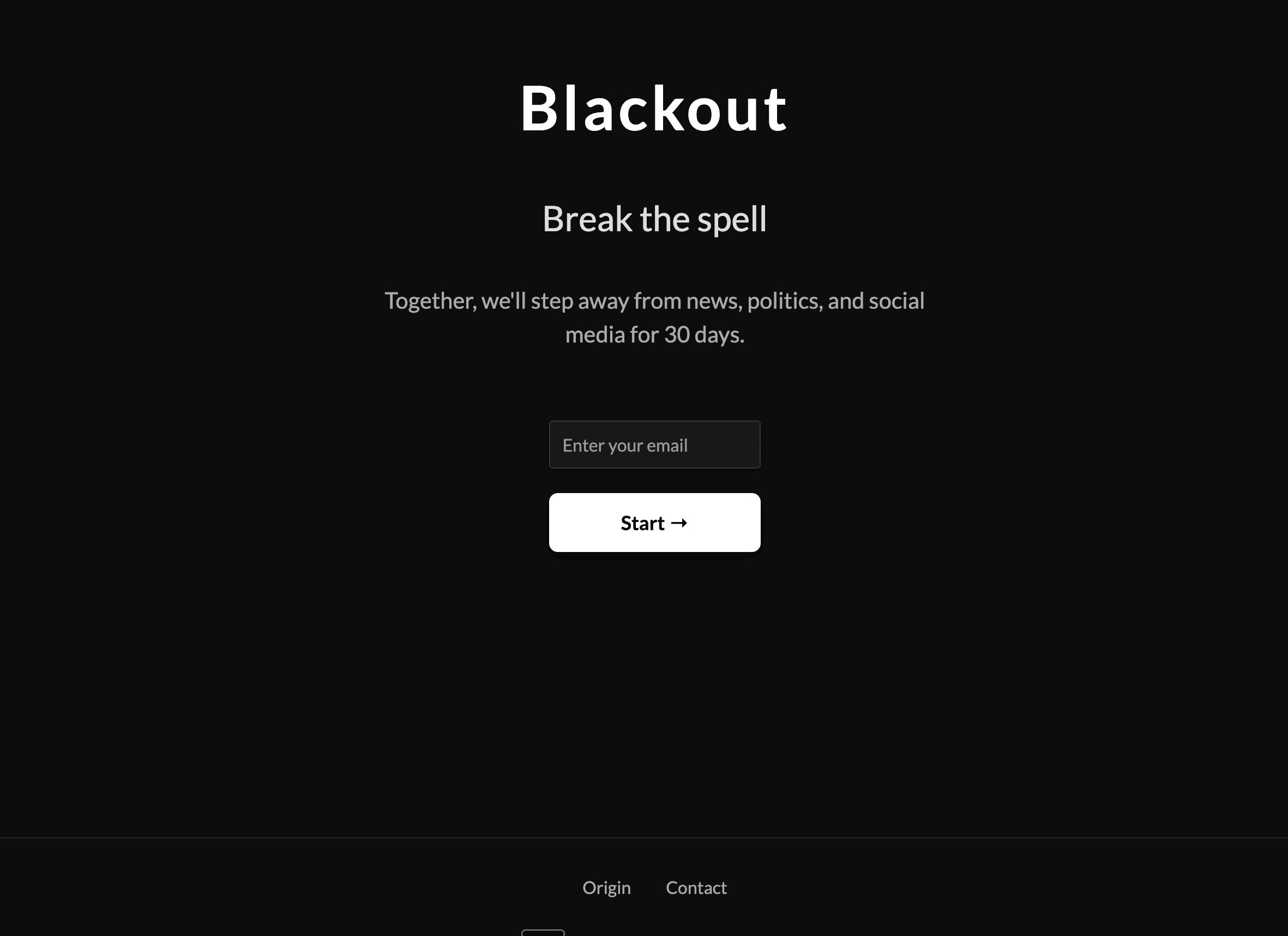
After (v2): blackout.wiki.
How Reference Files Work
Reference files are how you give Claude taste.
Book summaries, style guides, work you admire, customer feedback - stuff you’d reference when doing the work yourself.
Once they’re in your folder, they’re all an @ away.
Claude reads the files, absorbs the patterns, and provides feedback:

What to Put in Reference Files
- Book notes - summaries of books relevant to your work
- Style guides - descriptions of how you want things to sound (your voice, your brand)
- Examples - past work, competitors, inspiration from others
- Customer feedback - what people liked, didn’t like.
Don’t have reference files yet? Google “[book title] + book summary”, copy-paste it into a markdown file, drop it in a reference/ folder, and try asking Claude about your work with it loaded.
Evolving Your Taste (Style Guides)
Claude Code tracks the changes you make during a work session. When I get stuck, I like to ask:
Many of Claude’s suggestions suck. What I listen to is my gut reaction - does it spark something, or feel off?
When done for the day:
Here’s what a style guide looks like:
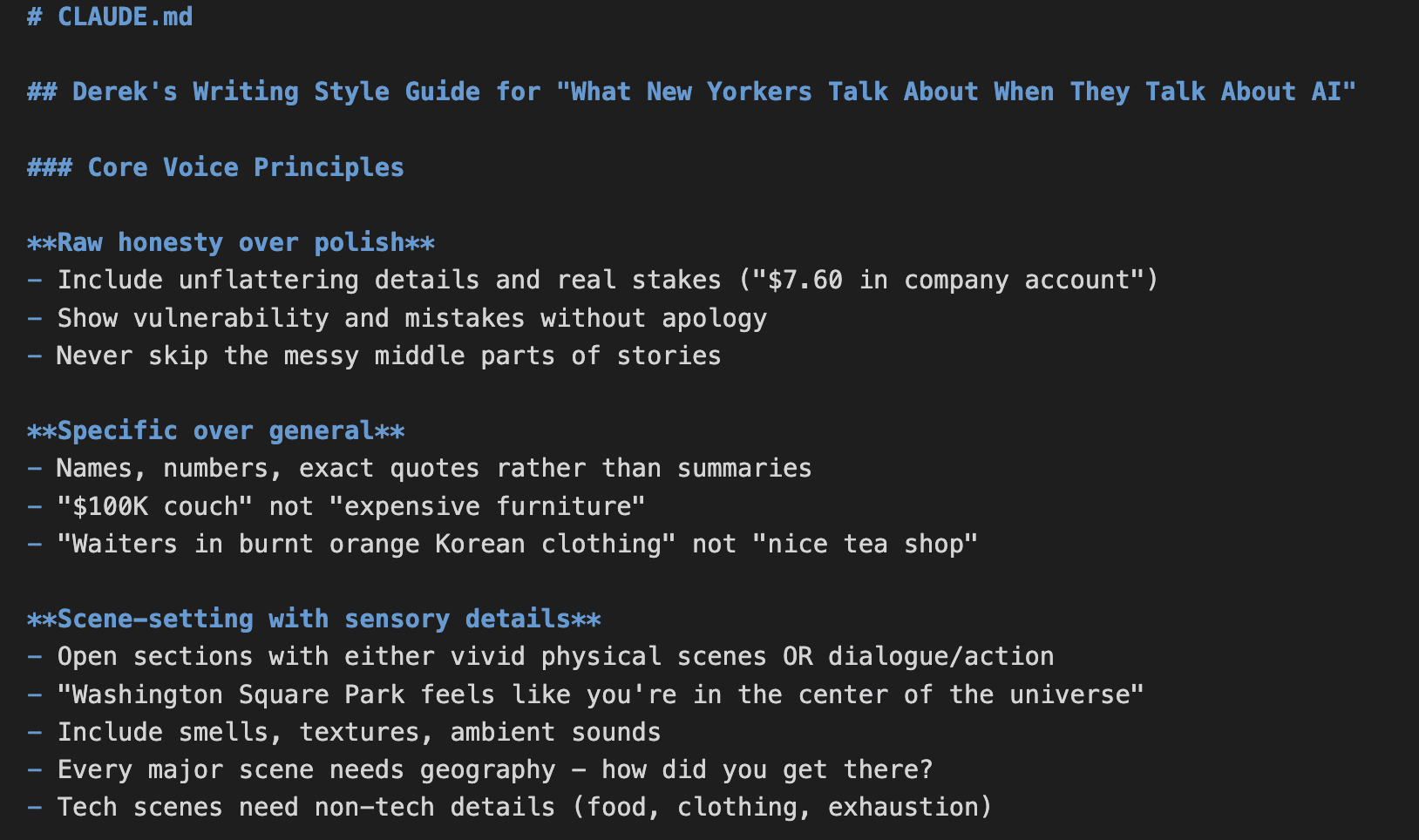
Next session, you can load the updated reference file, and taste compounds over time.